Design and Analysis of Protective Structures
28 – 30 July 2027 · Nanyang Executive Centre, NTU, Singapore
The DAPS 2027 Organizing Committee cordially invites researchers, postgraduate students, engineers, practitioners, government agencies and industry partners to participate in the 8th International Conference on Design and Analysis of Protective Structures (DAPS 2027).
DAPS 2027 will bring together local and international experts to exchange knowledge, share recent advances, strengthen professional networks and foster collaboration in the field of protective structures and protective engineering
Where structural design meets extreme loading
As protective structures take on more demanding roles in defence, critical infrastructure and dense urban environments, understanding how they behave under blast, impact, shock and fire has become a defining engineering challenge.
Convened in Singapore by Nanyang Technological University (NTU) and the NTU Civil and Environmental Engineering Alumni Association (NCEEA Association), DAPS 2027 brings researchers, engineers, practitioners, government agencies, industry partners and postgraduate students into one room.
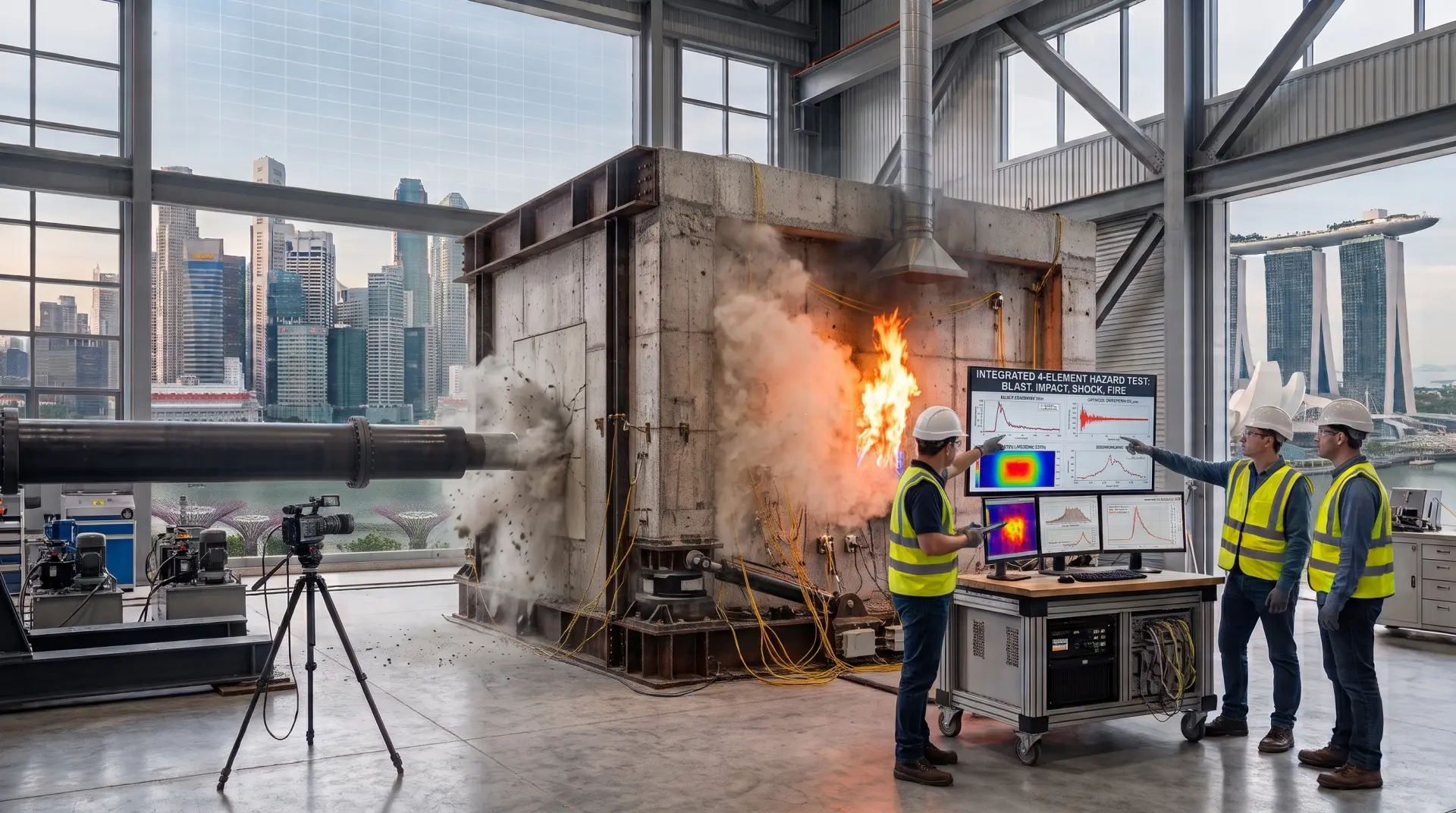
Four plenary lectures
Hong HAO, Jie YANG, Nemkumar BANTHIA and Guoxing LU, from institutions in Australia, Canada and China.
Six thematic areas
Twenty-one topics, from protection concepts and design through to AI in protective engineering.
Submission key dates
Abstract in Jan 2027, full paper in May 2027, final manuscript by June 2027.
Three international committees
39 members across 16 countries guide the organization and academic programme.
Submissions are open across all six thematic areas.
We invite researchers, practitioners, and industry leaders to submit original contributions advancing the field of protective structures and extreme loading resilience..
Four plenary lectures from leaders in protective structures
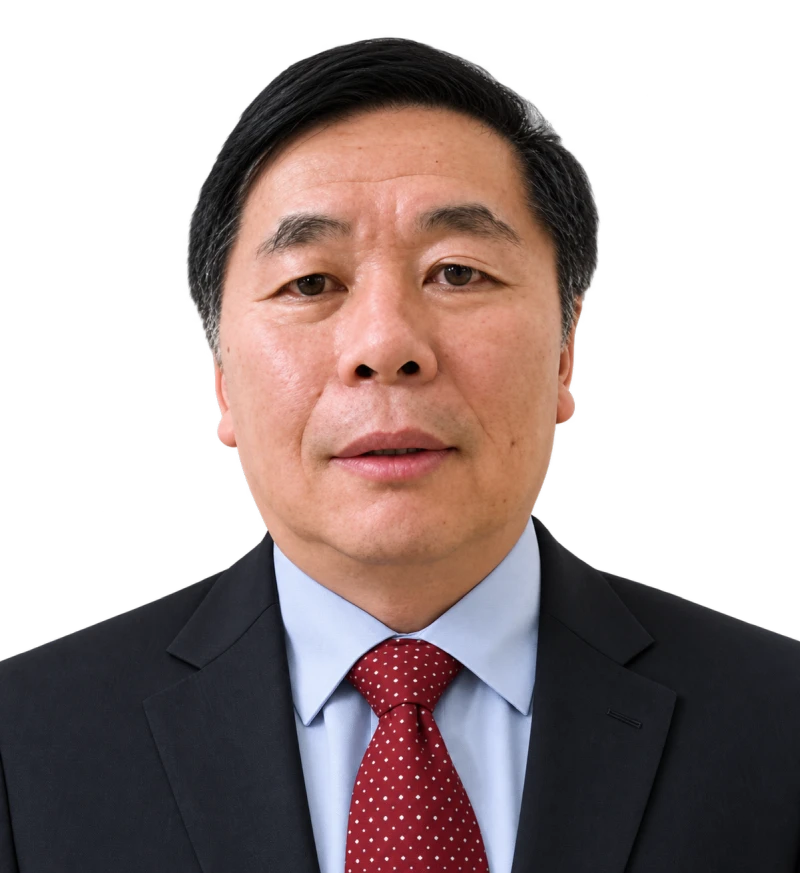
Professor
Hong HAO
Curtin University / Guangzhou University
Biography: Hong Hao is a Professor at Guangzhou University, China and a John Curtin Distinguished Professor at Curtin University, Australia. His research interests include structural protection against extreme dynamic loads (earthquake, blast, and impact), and structural condition monitoring. He has published extensively in these fields, with over 50 highly cited papers, more than 61,000 citations, and an h-index of 128 on Google Scholar. His research outcomes have been incorporated into textbooks, design codes, and applied to construction projects worldwide. Repeatedly named as the Australia’s research field leader in Civil and Structural Engineering, he ranks among the world’s top researchers in his field.
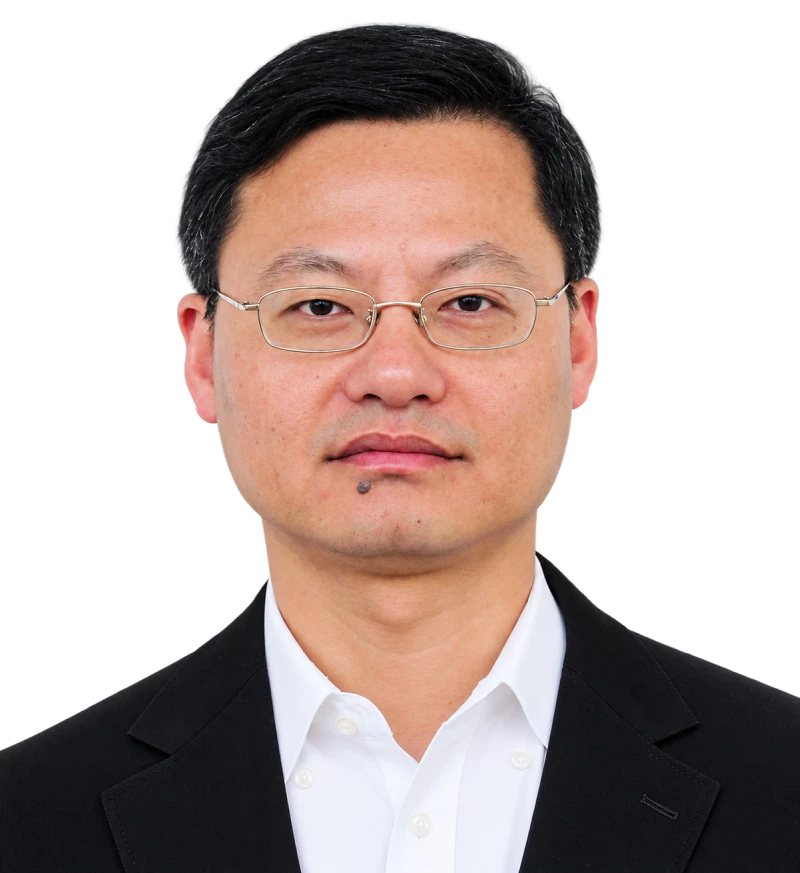
Professor
Jie YANG
Royal Melbourne Institute of Technology, Australia
Biography: Dr. Jie Yang is the Distinguished Professor in the School of Engineering, RMIT University, Australia. His main research interests include advanced composite structures, mechanical metamaterials, structural stability and dynamics, CNT/graphene reinforced nanocomposites, smart structures and control. He has authored 3 books and over 500 publications including 420 journal papers which have so far attracted over 34100 Google Scholar citations with h-index 99. He is the Highly Cited Researcher (Cross Field) in 2019, 2020, 2021, 2022, 2023 and 2025 by Clarivate Analytics and is named by Australian Research Magazine as the Global Field Leader in Mechanical Engineering in 2020, Australia’s Research Field Leader in Mechanical Engineering in 2019, 2020, 2021, 2022, 2023, in Structural Engineering in 2021 as well as in Acoustics and Sound in 2023.
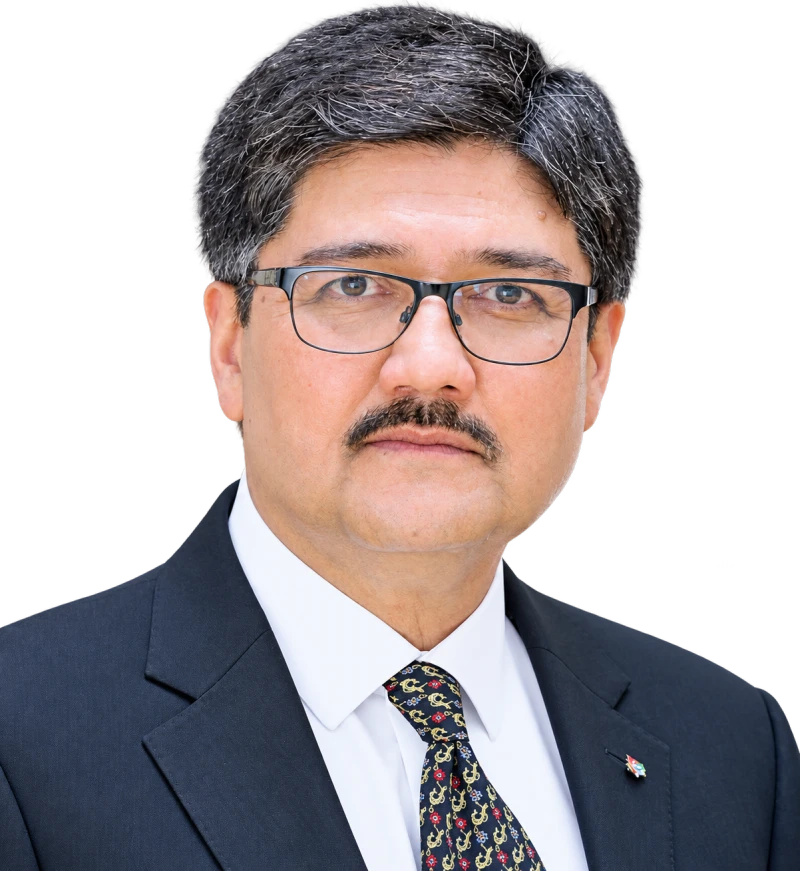
Professor
Nemkumar BANTHIA
The University of British Columbia, Canada
Biography: Nemkumar (Nemy) Banthia is a University Killam Professor and Distinguished University Scholar at the University of British Columbia (UBC) in Vancouver, Canada. His primary research focuses on carbon-neutral concrete infrastructure and the use of sensors for infrastructure management.
As a dedicated mentor, Dr. Banthia has supervised and graduated more than 75 doctoral and post-doctoral students. He holds nine patents, has published over 500 refereed papers, and has edited 30 volumes. He currently serves on the editorial boards of nine international journals and is the Editor-in-Chief of Journal of Cement and Concrete Composites, which has a 2025 Impact Factor of 14.4—the highest in the field.

Professor
Guoxing LU
Zhejiang University, China
Biography: Professor
Guoxing LU
Six keynote speakers for 6 thematic areas
Professor Jun Yu [Southeast University, China]
Professor Jun Yu [Southeast University, China]
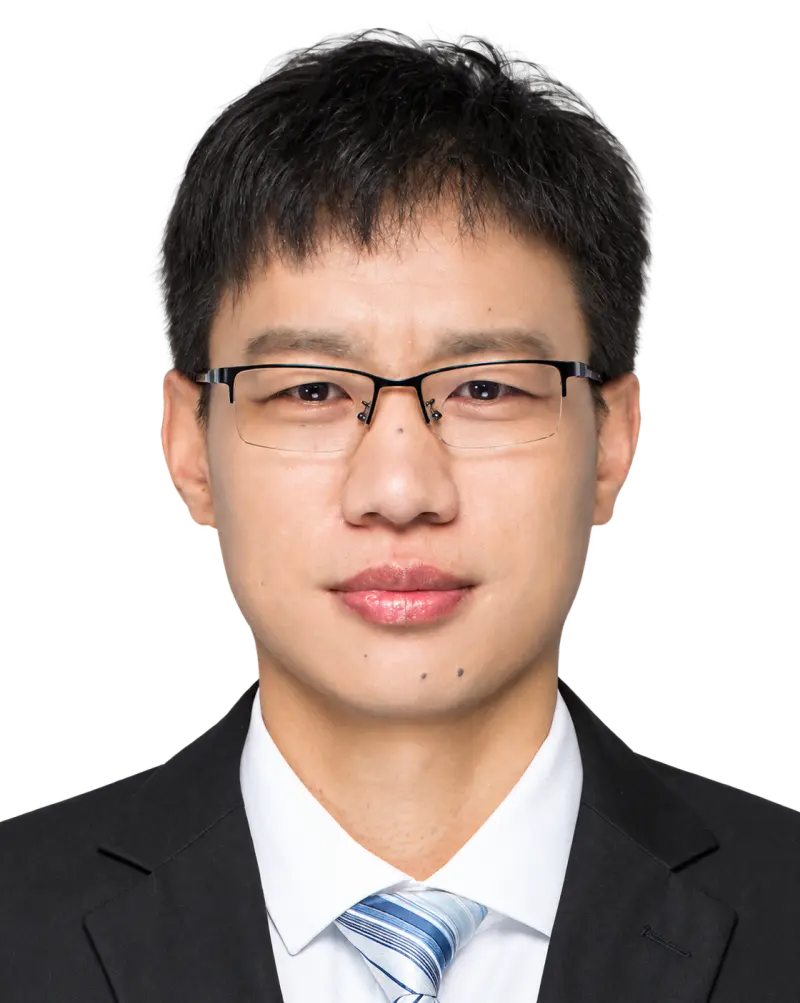
Professor Bo Yang [Chongqing University, China]
Dr. YANG Bo is a professor of structural engineering in the School of Civil Engineering at Chongqing University. Dr. YANG works mainly on the progressive collapse of steel and composite structures and mechanical properties of high strength steels and high performance of concrete structures. He has authored/co-authored about 150 SCI international journal publications. He has been selected as an Elsevier Highly Cited Chinese Researcher. His honours cover the Second Prize for Natural Science of the Ministry of Education of China and the First Prize of the National Science and Technology Progress Award of China.

Professor Werner Riedel [Fraunhofer EMI, Germany]
Professor Werner Riedel [Fraunhofer EMI, Germany]
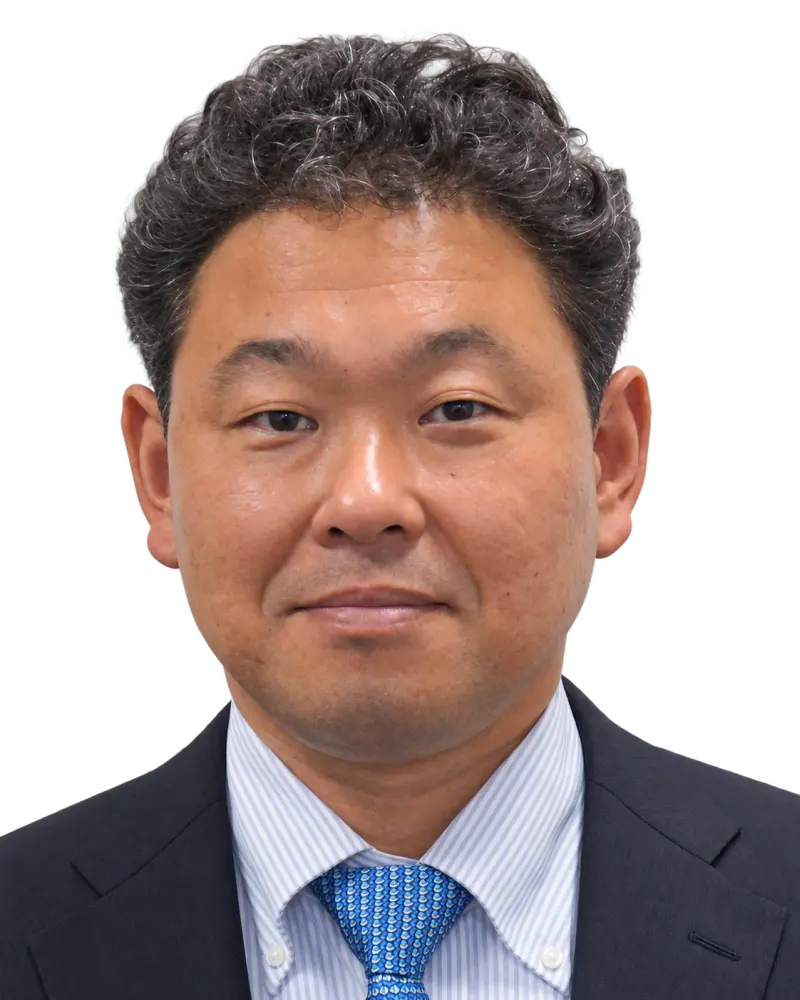
Professor Masuhiro Beppu [National Defense Academy of Japan, Japan]
Prof. Masuhiro Beppu received BEng and Master degree from National Defense Academy of Japan, and PhD from Yamaguchi University, Japan. Prof. Beppu is currently working at Department of Civil and Environmental Engineering in the National Defense Academy of Japan His research interests are Protection of Structures against Natural and Manmade Dynamic Loads.
Prof. Beppu has been working in the area of Blast and Impact Engineering. He has more than 250 technical publications including over 180 journal papers, 9 edited books, and 80 conference papers.
Prof. Beppu was the chairperson of the impact committee in the Japan Society of Civil Engineers. He is the board member of International Association of Protective Structures, associate editor of International Journal of Protective Structures, and serves in the editorial board of many journals.
Professor Yanchao Shi [Tianjin University, China]
Professor Yanchao Shi [Tianjin University, China]
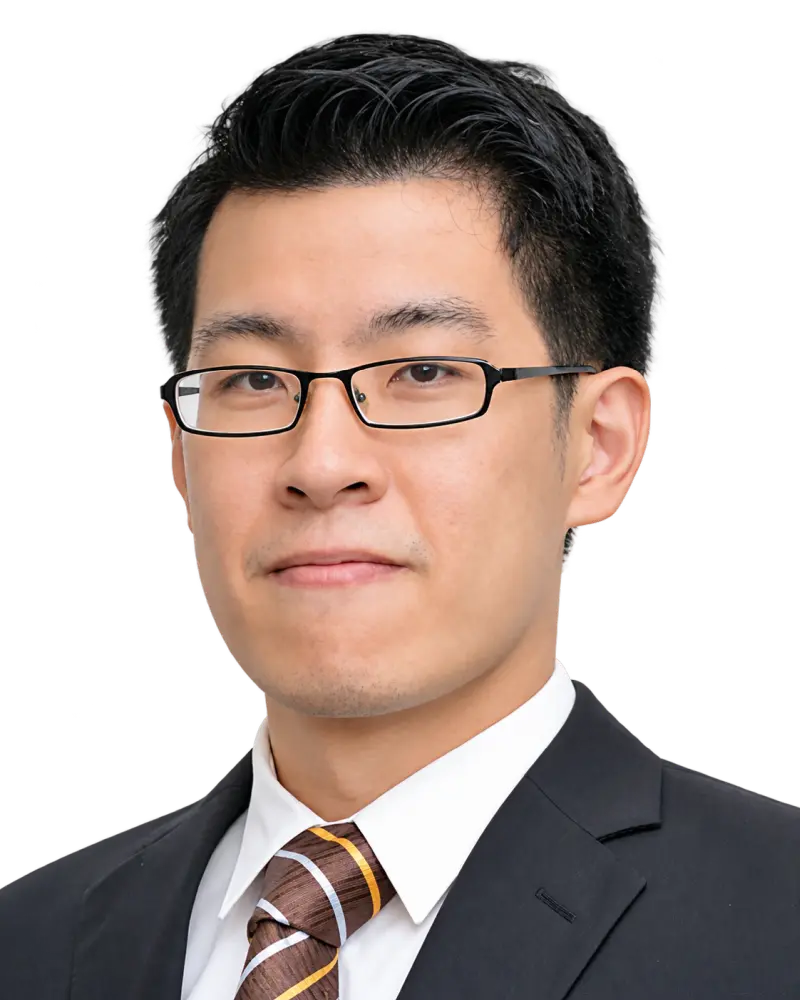
Professor Kang Kok Wei [Defence Science & Technology Agency (DSTA), Singapore]
Kok Wei holds the title of a senior principal engineer at the Defence Science and Technology Agency (DSTA). He currently leads in the research and technology development projects to meet the unique protective infrastructure requirements of the Ministry of Defence and Singapore Armed Forces in Singapore. Some of his achievements include the works to increase the explosive storage of operational facilities and to enhance the resilience of various protective buildings and infrastructure. He was also one of the key contributors in capability build-up in in the building and infrastructure programme centre at DSTA and has streamlined and modernised the design processes. Kok Wei holds a PhD in civil engineering from the National University of Singapore.
Six thematic areas, from protection concepts to AI
Protection concepts and design
Φ Underground and aboveground structures
Φ Composite structures
Φ Energy-absorbing systems and elements
Φ Soil/structure interaction
Φ Structure protection under dynamic loading
Numerical modelling and simulation
Φ Shock wave and blast load simulation
Φ Structural simulation under explosion and impact
Material behaviour under blast and fire
Φ High strain-rate and high-temperature effects
Φ Composite materials
Φ High-performance concrete
Φ Blast- and fire-resistant materials
Structural damage
Φ Progressive collapse
Φ Penetration analysis
Φ Structures under fire
Φ Structural dynamics/Vibration
Φ Multi-hazard resilience of structures
Blast, impact and shock load
Φ Surface and underground structures
Φ Explosive storage
Φ Impact and explosion tests
AI in Protective Engineering
Φ Physics-informed and data-driven modelling for blast, impact, and fire
Φ Data-driven design, optimisation, and risk assessment
From abstract to final manuscript
From abstract to final manuscript
Singapore, the crossroads of engineering research
DAPS 2027 takes place in the Nanyang Executive Centre within NTU Singapore which ranks 12th in QS World University Rankings 2027.
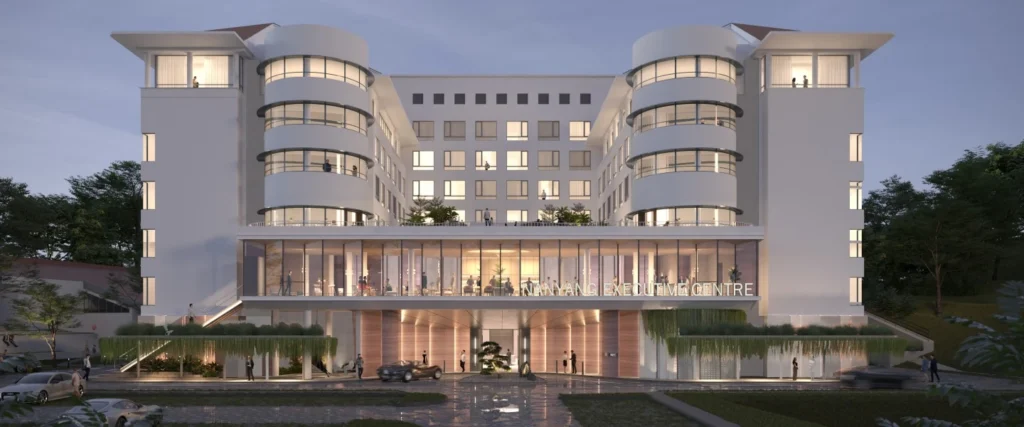
Nanyang Executive Centre
Located in the heart of Nanyang Technological University’s sporting and residential precincts, the 150-room Nanyang Executive Centre (NEC) is designed to serve the accommodation needs of visiting academics, students, alumni, and executive learners.
Getting Around
Navigating Singapore is effortless: tap directly onto MRT trains and buses with any contactless credit card (Visa, Mastercard, AMEX) or mobile wallet (Apple Pay, Google Pay). Taxis and ride-hails (Grab, Gojek) operate 24/7 and reach NTU NEC from Changi Airport in about 45 minutes.
Entry & Visa Requirements
Most international travelers can enter Singapore visa-free, but all visitors must submit the electronic Singapore Arrival Card (SGAC) within 3 days prior to arrival. Official visa invitation letters can be requested upon completed conference registration.

Three days where the composites community stress-tests the future.
Organised by:

Co-Organiser: